Navigating Different Communication Styles

Over the past 18 months, I’ve been meeting with a behavioral therapist, as often as once a week. When I started, I had been sitting in a pit of despair after realizing too late what a special and rewarding relationship I had with my husband of nine years. I had turned 40 in 2008 and sort of lost my mind over the next two years. The collateral damage incurred by us and our sweet family post-split still nags at all of us. We are healing, albeit slowly.

Through my therapy I’ve learned that one of the issues “Eric” and I dealt with during our marriage and divorce involves our vastly different communication styles. We are similar in that we’re both passionate, quick-tempered and stubborn. However, I am a moving-toward quick-processing extrovert (MTQPE), and he is a moving-away slow-processing introvert (MASPI). Night and day. Black and white. Scorpio and Taurus.

Defining the styles. Moving-toward means I’m the woman who talks to strangers and wants to save the world even when it’s inconvenient for me. Moving-away Eric hangs in the background and observes the scene before he makes a move. The night we met, I walked up to his adorable self at Little Harry’s Airport Bar in Lewiston, Idaho, and said, “Hi. I’m Cindy. Wanna buy me a drink?”

Eric likes to listen and assess, and he’s good at both. I like to chat, on and on, and recharge when I’m around people. Eric recharges by spending time alone. Quick-processor me can call him on a Monday at 8:00 a.m. and say, “Wanna take the kids to the theme park this Friday? Do ya? Huh? I’ll drive. I’ll buy the tickets. What do you think? Huh?” Slow-processor Eric would probably take a minute to answer: “I don’t know. Let me check and get back to you.”

When you’re in love with someone, these differences seem minor. But after years of mistaken assumptions and misinterpreted silence, they can wear on a person, even destroy an unexamined relationship. And then, when you’re in the middle of a breakup, these differences cause real arguments.

Being aware and strategic. Eric lives in his head much of the time (he’s amazing at self-reflection) but I process my life out loud, through talking. If you are a MASPI, like Eric, I would drive you bonkers. If he has anything on his plate, work issues, personal stuff, bills, he would prefer to slide the theme park to the bottom of the stack until he was ready to tackle it simply to avoid feeling overwhelmed. Meanwhile, I’m doing aerobics, playing paddle ball with one hand and whirling a figdget spinner in the other.

Eric and I have been divorced six long years. In the past ten months, we have been scheduling monthly “conversations” where we talk about the kids, our lives, and manage our different communication styles. One of the most important things I’ve learned relies on the premise that my style is no better than his style. They are simply different. In this post-therapy stage we’re in, Eric and I work hard to treat each other with dignity, and examine and respect the styles.

Being versus foreseeing. Being an MTQPE, I would love to know exactly when I’m going to see and talk to Eric. I recharge when I’m around him. But, when a moving-toward person moves too quickly or too often, a moving-away person tends to get his energy zapped and needs more space. That is a style, not necessarily a strategy.

Eric is content just being. He doesn’t need to plan every movement of his day or his life. I, on the other hand, want to see into my future. When will we meet again? When we will talk again? Forward, forward, forward. One of the things my therapist helps with is my feeling comfortable in the not knowing. (Eric tries to meet me halfway by communicating more.)

We are less than a year into this process of trying to communicate effectively. We stumble. We piss each other off. We spend hours laughing. It’s an unpredictable way of living. But, I am slowly gaining comfort and working to make him feel safe in my presence. The closer we can come to meeting in the middle, the better off we’ll be.


The Swap

I lob my heart over to your side of the fence,
play five games of paddle-heart simultaneously,
try to keep busy, wait- wait- wait for you
to toss yours over. You catch the bloody mess
and try to hang on, crimson liquid trickling
down your arm. You observe the irregular
shape, study its pulsing blue veins, wonder,
perhaps, why I pitched it to you in the first place—
was it love? Or was I trying to fool you,
let the form fuse itself to your body, only to
snatch it away because your grip gave me
goose pimples. At one time, I might have said,
Hello-ooo. When the hell do you plan to finish
the swap? But I’ve learned that when I wait,
you surprise me, eventually climb over the fence,
deliver your heart in person, rest it in my hand,
remind me that wonderful things happen when I keep
quiet the beast clawing its way out of my chest.

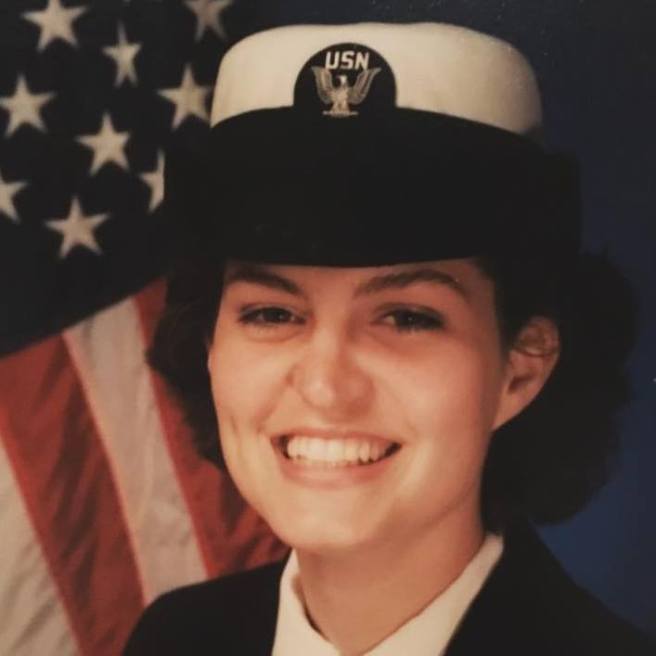
Happy Veterans Day from Nancy Navy

Yes, I served in the U.S. Navy from 1989 to 1993. It was one of the best decisions I ever made. The chance to go to college and leave my town of little opportunity was too great to pass up. I went to boot camp in Orlando, Florida, Apprenticeship School in San Diego, California, and worked as a data processor at a weather center in Monterey,  California for four years. I also attended Monterey Peninsula College, tutored elementary school children in reading, and participated in fund raisers.

After the navy, I moved to the Pacific Northwest. I attended Walla Walla Community College in Clarkston, Washington, and Lewis-Clark State College in Lewiston, Idaho. The G.I. Bill helped fund my bachelor’s degree. After earning my B.A. in English and Creative Writing, I went on to earn an M.A. in English from Western Washington University in Bellingham, Washington, and an M.F.A. in creative writing from University of Idaho in Moscow, Idaho.

I have lived in Moscow, Idaho for 14 years. My career post navy has consisted of food service, bank teller, writing tutor, and then writing (technical, creative, speeches), editing, and teaching writing and other courses. My current position as Senior Development Writer/Editor for the Washington State University Foundation is my dream job. I know the navy made all of this possible.

I feel incredibly grateful for making the decision to join the navy. Thank you to everyone who served in the military, especially overseas and during wartime. We are blessed.

15056457_10154653988028187_2336432202794438476_n

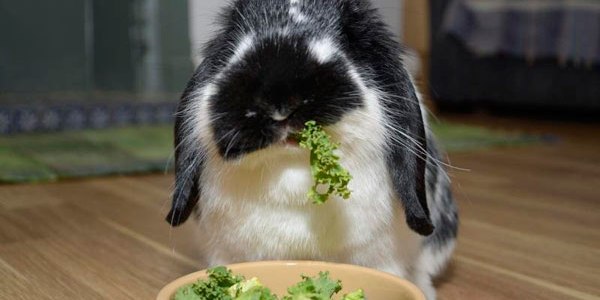
Why Psychotherapy is like Kale

Psychotherapy is not easy, or fun. It’s good for me, even necessary, but I don’t love it. Psychotherapy is like kale: not nearly as tasty or enjoyable as homemade macaroni and cheese, or pizza, but sometimes, I have to force it down.

One of the biggest issues about not seeking help from a psychotherapist is that we rarely know why we display negative behaviors. Often, we react to stimuli based on a complex process of unresolved issues (or trauma) from childhood. Some behaviors are good, like holding a door for someone or not cheating on a test. But others include slamming the door in someone’s face, tearing up your husband’s baseball card when he stays out all night, or yelling at some unsuspecting cashier. Consistently negative behaviors harm us and can destroy relationships with people we love.

Before I turned 18, my birth mother ran out on us; my father remarried a physically and emotionally abusive woman; my step-uncle sexually abused me; my stepmother slept with one of my boyfriends; my older brother was killed in a motorcycle wreck; my younger brother was kicked out of every elementary school in our town; and I moved in with an abusive, cheating, drug-dealing boyfriend.

Phew. I realize there are millions of people who’ve suffered far worse tragedies than I did. I’m not searching for pity, only understanding, a willingness to see another perspective. A family member once said, “In my day, we didn’t go to therapy. We solved problems by ourselves.” Hmmm. This family member drank a six pack every night just so he could fall asleep. And he stayed in a marriage with a cheating spouse for 20 plus years.

At 21, I eloped with a man we’ll call Jon. This was one week after I admitted to my parents that I’d been sexually abused as a child. My father said, “You must have liked it because you never told us.” My stepmother said, “You’re just trying to cause problems.” Um, no. But before you hang these folks out to dry, I can assure you these are typical responses. (After my father divorced the nightmare, he spent the last 15  years of his life apologizing to me for the earlier response).

In the wake of Donald Trump’s accusers coming forward about his sexual misconduct, many people ask, “Why didn’t they come forward when it happened?” I echo comedian Seth Meyers’s response. For reasons that seem absurd, our society tends to blame the victims of sexual abuse. I was four when my uncle started abusing me and nine when I screamed, which sent him running from the room never to touch me again. If anyone says a four year old girl is asking for it, he or she should be flogged.

Often times, people who’ve been sexually abused as children become hyper sexual, engaging in risky behaviors like having unprotected sex with numerous people largely because their personal boundaries were destroyed. In addition, subconsciously, they’re scared of getting too close because others might get to know them and judge them for their “shameful” past.

For two decades, I moved guy to guy, always dumping a good one who loved me for someone who treated me like the piece of shit I thought I was. It was as if I were saying, “Don’t get close. I don’t want you to know the real me because I’m no good. I deserve to be with a piece of shit.” In recent years, science has offered new theories on addiction, drugs, sex, food, shopping, alcohol, saying it might have more to do with attachment disorder than genetics.

A theory is a theory, but it makes sense to me that someone who has lingering feelings of being discarded, neglected, and abandoned, might have serious problems with interpersonal relationships (lack of trust, PTSD, fear of authority). I have a solid circle of male and female friends, people I’ve known for years who love and support me. They appreciate my unfiltered speech, openness and honesty. But if you asked the men from my past what it was like to love me, you’d get another story.

After years of pushing good men away when they got too close, I ran out of luck. The man I shared a deep love and even deeper friendship with, the man I grew closer to than anyone in my life, drew a line in the sand. “If you don’t want me,” he said, “I’ll go.” It was the exact opposite of what I wanted and needed, but I was used to my past coping skills, so I let him go and moved on to the next guy. I also went into therapy.

In the year that followed, something happened. Through long discussions with a psychiatrist, talks with friends, and reading self-help books, I stopped. Instead of pointing my finger outward, I turned it on myself. I needed to excavate my painful childhood memories, unearth them, and examine them to set them free.

Over the past several months, I’ve been attending therapy once a week, including doing EMDR, which tastes like kale but is so good for me! Sometimes I break down bawling. Sometimes I just want to run. My therapist challenges me. I’ve processed one old memory and am working on a second. There are plenty more. But I feel more confident in my ability to move around in the world, to forgive myself and others, to recognize that the man I loved and lost did me a favor. He forced me to take stock of myself and see I am not my past, I can be better, but I need to do more work. It’s a long, long road, and at the end, I hope they have pizza.

10 Signs You Were/Are a Middle Child

1. When pouring drinks for friends, you still kneel to get eye level with the glasses to be sure the liquid amount is even for fear of getting jabbed in the arm by your older brother.
2. You wore hand me downs until you hit puberty, and it no longer looked “okay” to wear your brother’s shirts.
3. When riding in cars with friends you still instinctively head for the back seat, because the oldest always gets the front.
4. In home movies from your childhood, you were always trying to get in front of the camera, only to be pushed out of the way by your father.
5. Your baby book is two pages long, while you confuse your siblings’ baby books with the King James’ bible.
6. You don’t have an entire wall (or room) dedicated to your accomplishments.
7. In adulthood, you try to outshine your siblings only to have your parents pat you on the head, and say, “Keep trying, honey.”
8. As a kid, you didn’t mind being called weird if it meant you stood out from the siblings.
9. If you played sports, you wore your brother’s old equipment even when the cleats were worn flat and the sneakers stank.
10. Your parents call you to brag about your siblings, but they never call the siblings, and often forget your name.

Missing My Father

Since You’ve Been Gone

I stand in the kitchen, pour olive oil
into a warm pan on the stove, then garlic,
the aroma rising like yeast, making me
want to call you—as I did during
the decades we lived apart—me
in the navy in California, you at your
hotdog stand in Florida. If you answered
drunk, I’d make an excuse, “Someone’s
at the door,” so I could hang up quick.
But if you were sober, you might tell me
a story: like when you were a kid, riding
beside your buddy in the back of
DiRienzo’s Bakery truck, bringing
bread to the neighborhood folks, your
spaghetti-thin frame, the inhaler
in your jeans pocket, all those loaves
still warm from the oven on the shelves,
you took one and packed it like a snow ball,
and as the driver skidded around
corners, you took bites from the dough.

You’re not there anymore to answer
my call, but I have your recipes, and
your grandchildren, each with your skinny
arms, they sit at my table, pasta filling
their plates, fresh bread in their hands,
they bring the red sauce to their mouths.

The Deep End of the Pool

When talking to people, I’m not interested in staying in the shallow end of the pool. Blame it on the writer in me, but I am intensely curious–fascinated–by other people’s lives. I also am happy to share experiences from my own life as a way to connect with others. From time to time, however, I have found that sharing my experiences, especially the less than pleasant ones, leaves people feeling uncomfortable and not knowing quite what to say. Recently, I was reminded of some phrases that get under my skin.

1.”I must be lucky because…” As in, I am not in the crappy personal situation that you confided in me, which sounds way worse than my own, which I might even be hiding from you because I don’t want to be judged, so instead I’ll say how blessed I am and not share anything.

If you’re a parent, you probably recognize number one. You can’t sit near other parents without hearing about how unique, amazing and intelligent their kids are. And if you say, “Wow, I wish Janie got along better with her kindergarten teacher,” or “Thomas hasn’t been bringing home his homework,” more than likely you’ll get, “I must be lucky because Arthur and Amy love all their teachers and have straight As.” Back to the shallow end

2.”You must be really strong…” As in, I could never survive if I lost my brother, or husband, or father. I would just kill myself. Gosh. How do you even wake up every day and laugh and smile?

Losing a loved one is not a choice. Telling someone, “I would kill myself,” is insulting at best. Don’t say it. Just hug your friend. Ask them if there’s anything you can do. And please, please, don’t say, “I must be lucky. I have never lost anyone close to me.”

3.”I don’t know how you do it…” As in, I could never be a single parent. My husband is wonderful, and I just couldn’t get by without him.

This is a kiss through a veil, a back-handed compliment. It’s as though the person making the comment is waving their Happily Married banner right in my face. And, just to be clear: my ex-husband and I share custody of our son, and just like a couple who are still together, we talk, negotiate and sometimes argue. We live five-minutes from each other. We attend basketball games and parent conferences together. And when things get tense between us (since our divorce was less than friendly) we call a time-out and discuss things in private. We may be single-parents, but we collaborate as a unit, because we can. We have a choice.

I think kindness goes a long way. And if you don’t know what to say to someone who makes you uncomfortable, why not admit it?


Good Grief-What a Month I’m Having!

I don’t know about you, but I couldn’t wait to say buh-bye to 2015. It was another year of being single, working my butt off in production more so than writing, and selling the home I had lived in for almost a decade with my former husband and our kids. I spent some time free-lance writing and even submitted work to journals. In April I participated in the poem-a-day movement, and in November, I spent a wonderful weekend with two of my best friends at a writing workshop in Port Townsend. But as Christmas songs played in the dentist office, gas stations and department stores, my optimism fell like a snowflake.

New Year’s Eve was spent with my ten-year-old son Vinny and another best friend, my sister from another mister, Aimee. I’d had a daughter disappointment right before the New Year, which I’d rather not disclose, but believed that 2016 would be a better year! But not long after my holiday vacation ended, I had a personal disappointment. Normally I don’t let life get me down; but when it rains, it pours, and I have lost my umbrella.

Suffice it to say, a blog is a safe space to share. But part of me thinks no one wants to hear my problems. And others tell me that I am the only person who can control my life. I need to make changes. I need to read self-help books. I need to let things go. I need to be honest about my needs. Saying those things and doing them are as different as heat and cold.

And I don’t want to be negative. I want to offer life-affirming tips for dealing with everyday disappointments. But right now, all I have is advice from others. I write to understand my life, so I’ve been working on an “after the divorce” essay and several poems. I’ve been talking to every friend who will listen. I’m sure I’m a real treat.

Last week, after hearing of my so-called disappointments, I turned into a Peanuts character, walking along the street with my head down. While kicking a stone, the toe of my boot stuck to the sidewalk and I fell face-first on the concrete. I cracked the glass on the front of my iPhone and my ego. It was the perfect end to a perfect week.

On a bright note, I finished a book called What Shamu Taught Me About Life, Love and Marriage by Amy Sutherland. What a pleasure it was to read. Sutherland talks about positive reinforcement and rewarding behavior–stuff from psych 101, but with real life examples. She observed aspiring animal trainers that work with predators, ones that can tear arms off or kill people with a bite to the neck.

Basically I learned to ignore bad behavior, a daughter screaming in my face, or a client criticizing my brochure, and reward good behavior: Thank you for picking up your dirty socks, Daughter, and Thank you, Client, for your feedback. I’m writing this in its simplest form, but feel free to check it out yourself. I’m going to reread the book.

My plan moving ahead, and you know I have one, is to dress for success, support, not enable, my daughters, and build character in my son. I will breathe deeply before walking into a difficult situation, smile when I don’t feel like smiling, and write as much as possible. Let’s hope February is a better month.


Which Writer Are You?

Recently, I attended the Centrum Writing Workshop in Port Townsend, Washington. Two of my good friends and former graduate school colleagues were also there for the weekend. The three of us shared a cabin, stories, tons of wine, and we laughed so much my stomach hurt Monday morning.

Kami and I were in the same M.A. program at Western Washington University in Bellingham. She writes fiction and poetry, and we are soul sisters. Jordan, who writes poetry, and I were in the same M.F.A. program at University of Idaho, and we know the show Friends line for line and confounded everyone by speaking in quotes from Chandler and Phoebe instead of our own voices.

After spending time reminiscing with my friends, I kept thinking about all the writers we’ve interacted with in our programs and over the years. I threw together this list. It’s all in fun, and I encourage you to add to the list.

The Starstruck Stalker– this writer has met 100 famous writers and can’t wait to tell you when and where. He or she has copious signed books and experiences galore from conferences, dinners, readings and workshops that they will be happy to share regardless of your disinterest. This writer may or may not have one iota of talent.

The Cliche– this writer fulfills the stereotype of a writer as a hot mess. He or she drinks or drugs to excess, is melodramatic, destroys their personal and professional relationships, all the while publishing brilliant works. Everyone puts up with their bullshit because of their genius.

The Trickster– this writer creates obtuse, abstract pieces of work that only he or she understands. And then, when other writers (often in the workshop setting) offer useful feedback, the Trickster says, “Oh. You weren’t supposed to get that. I wanted to trick you.” That’s when this writer says, “Good for you, Trickster. Now go find another workshop.” You suck.

The Enigma– this writer creates interesting and odd pieces that you would never think to write yourself. He or she is flippant, couldn’t care less if their work gets published and so it gets published all the time! You sit at home tearing your hair out wondering why you have a stack of rejection letters lining your bird cage and the Enigma calls and says, “The New Yorker accepted my short story!” You say, “Oh my gosh, congratulations.” And then you turn on the gas stove and stick your head inside.

The Humble Pie Writer– this writer does not call himself or herself a writer. If they teach, they call themselves a teacher. If they work as a postal clerk, they call themselves a clerk. He or she may have a handful or a boatload of publications, even a book or 10, but they don’t buy into the bullshit that comes with being a “Writer.” They love writing, they love words, they love the creative process. They dislike going to high-profile writing events where they might be ignored by self-important writers who look behind them to find someone “more famous” to speak with. These writers are usually talented but down to earth, and love to talk to budding writers.

I know which writer I am. But I will never tell.

My Kid’s Smarter Than Your Kid–Pondering Competition

My daughter Jessica was still crawling at 15 months. Because other toddlers I knew had already started taking their wobbly first steps, I called the pediatrician. He said, “If she doesn’t start walking by next month, bring her in. We’ll put braces on her legs.” Jessica started walking that week. And because I now know that she gets embarrassed over everything, I’m sure Jessica overheard the doctor and was afraid of looking like Forrest Gump.

In kindergarten, Jessica tested into a program called Enrichment–what some schools call “Gifted and Talented,” because she knew how to read. Jessica was not the type of student to push herself when she was bored, and I suspected this program would encourage that. I was feeling pretty good about myself and Jessica’s father–a meteorologist for the U.S. navy–that we had drawn the long straw. We had a smart kid.

When Jessica entered 4th grade, it was the first time I interacted with the parents of other “smart kids.” At the time, I was a 32-year-old grad student in English at the university in Bellingham, Washington. It was five p.m., and when I walked into the elementary school library for the parents’ meeting, Jessica holding one hand and my five-year-old daughter, Josie, the other, I felt like a kid. No other parents had brought their kids, and they all had gray hair and wrinkles. They were dressed in blazers and slacks. I was a grad student in a sweater and ripped jeans.

The atmosphere in the library bugged me–the sense of smugness in the air. Every couple sat with their noses held high, discussing the curriculum, talking about art programs their kids were involved in, or awards they’d received. They talked about math olympics, writing contests, music lessons, physics and future problem solvers of America. I kept quiet, thinking about how grateful I was simply to have Jessica in the program. These parents seemed to believe that their smart kids were a reflection of their own intelligence.

One of the reasons I was so pleased to see Jessica succeed academically was because I hadn’t. I wasn’t dumb, but education wasn’t valued in my childhood household. My father owned a shoe repair shop. He was funny, friendly and blessed with common sense. When I was in high school, my father told me: “Just get Cs, and I’ll be happy.” So I learned that I had to care about doing well for myself. I only put forth effort in the classes I liked: art, theatre and English. And I didn’t start college until I was 24.

Jessica quit the Gifted and Talented program in 7th grade–when it was no longer mandatory. I begged her to stay in. “I don’t want people to think I’m a geek,” she said. She wouldn’t believe me when I told her: “You can’t control what people think.” Within a year, her grades tanked. Boys and parties became much more important than solving America’s problems, writing poetry or competing in math. By this time, I had finished my graduate degree and was working as a writer. When Jessica failed freshman English, I figured she was rebelling against me.

My smart kid graduated from high school with a 1.67 GPA. Her father gave her his G.I. bill money so she could attend community college. She loved it, but failed out after a bad breakup during her third quarter. Jessica took a year off and is back in college, working part time as a waitress. Like a lot of us, she regrets not trying harder when she had the chance. She even says, “Mom, you should have pushed me harder. But when I was in those classes, I felt like the dumbest kid there.”

As a parent, you never know how well you are doing. At best, raising kids ebbs and flows as continuously as the tide. Jessica crawled for 15 months and I never worried until I noticed other kids “beating” her. Competition makes us crazy. A poetry teacher told me once: “Comparing yourself to others is deadly.” I say it’s also inevitable. Perhaps it keeps us ambitious. Aware. After all, competition made me call the doctor.