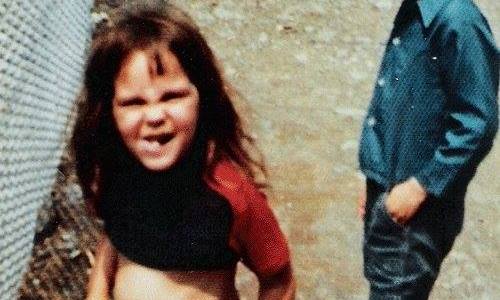
David Spade once said that when you grow up poor you don’t know it until someone else tells you. For the first few years of my life, my father, my brother Tony, and I lived in a couple of rented houses before being evicted because my father was in his 20s and liked to party. We finally settled in an apartment and were on food stamps, although my father never told me until I was in my 20s.
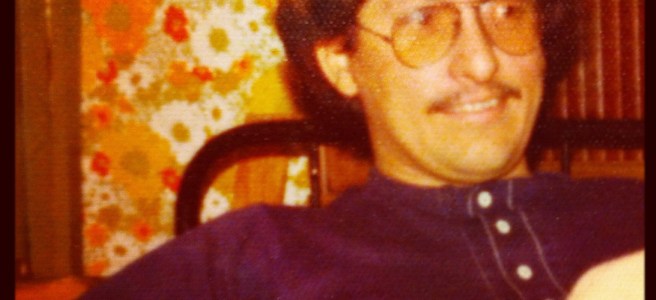
My brother and I went to work with my father almost every day (he owned a shoe-repair business) until we started school. Sometimes we had babysitters, and sometimes my father dated women so there would be someone to take care of us. Unfortunately, some of these women stole his record albums and never came back.
When I was four, my father met a 16 year-old-girl named Vickie who was happy to quit high school and move in with us. (that is another blog by the way) Vickie kept my brother and me clean, fed, and had us in bed every night by nine. She also beat us when my father wasn’t around and insisted we call her Mom.
My father married Vickie two years later and bought us a house. The place was crap brown with a wrap-around porch, a rotting roof, and black windows. My brother and I cried the day we moved in. Over the next two years, although my father spent a lot of money and time to have our “haunted house” remodeled, I still sensed it was shoddy compared to the other houses on the street with their Ionic pillars, manicured shrubs, and intact families. When friends visited, they said, “Oh, your house is nice on the inside.”
When I was nine, my father moved my brother and me out of public school and into Catholic school. We had not been baptized and I only heard “god” when my stepmother said, “You goddamned kids.” Because we wore uniforms, it was easy to blend in. And I was never the kind of girl who could look at people’s shoes and know how much money their parents made.
In middle school, we no longer wore uniforms, and my stepmother bought my clothes (polyester pants, blouses) at J.C. Penney and Sears, which felt normal. One day, the Queen Bee walked over to me, felt the material of my blouse, and said, “Where did you get this?” I said, “Sears.” She smirked, and said, “Ohhh.” I think it was then that I knew. Some of my friends wore Aignier and L.L. Bean. I had never heard of either.
Over the next year, after I noticed the Queen Bee and her cohort wore Izod Lacoste polos, which I saw as a symbol of wealth and status, I became obsessed with getting a shirt of my own. So, my stepgrandmother took me to the outlet mall and bought me two Izod polos. I couldn’t wait to show the rich kids I was not a loser.
Of course, now I know those Izods were like me–slightly irregular. And even though my stepgrandmother bought me designer jeans and name brand clothes, I never really fit in with the Queen Bee and her friends. They played tennis and golf, and I ran track. Their parents had cocktail parties, my father went bowling.
Growing up poor taught me humility. Sometimes I think my life has been one “character building” event after another. I know the value of a dollar and love to do hard work. The things I hold dear, after family, dogs, and friends, are the sentimental gifts I have received over the years–books, toys from my childhood, love letters. I have no idea what it’s like to grow up rich, or be rich, however, I imagine it feels as though you can never have enough.
 The Cobbler's Daughter