Sharing a Bed, For Whatever Reason

I have been single for 13 years. When I crawl into bed at night, I crawl in alone. Of course, one of my dogs sleeps at the foot of the bed and the other sleeps on the floor, too old to climb up. I have a Queen-sized bed, and I have to admit, I enjoy the extra room. No fighting for covers. No being awoken by snoring. No stinky-breath kisses in the morning. That’s the way it goes.

Thirty seven years have passed since my older brother Tony was killed in a motorcycle wreck. I’ve heard that a person’s grief is defined by how much they loved the person. I still think about my brother every single day, and although I don’t cry any more on his birthday, May 1, or on the day he died, May 3, sometimes my grief returns without notice.

Recently, I was cleaning my art room and came across my and Tony’s baby books. Since our mother left when I was six months old and Tony was three, the “books” are only a few pages. I had looked through mine before, but to my surprise, I had no memory of ever looking through Tony’s.

I stopped organizing for a few moments to peruse Tony’s baby book. In my mother’s perfect block printing, I read about his milestones: pushing himself up on his chest, rolling over, fake coughing. There was his first word, “Uh-oh,” crawling, somehow getting a stick of butter and eating half of it. There was his first birthday, and his second, and the birth of his baby sister. Hey! That’s me.

What I read next moved me to tears and messed with my head for days afterward. It also explained why, after almost four decades, I still mourn his loss. My mother wrote, “Little Tony loves his new baby sister, almost too much. He insists on sleeping in her crib with her.” If that isn’t the definition of precious, I don’t know what is.

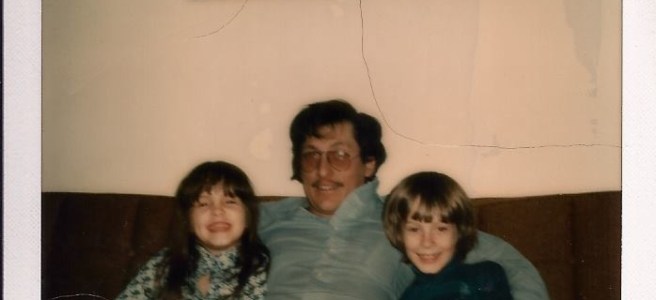
My brother Tony and I shared a bed for the first several years of my life. It was out of necessity I always thought. Being a single parent and running a business, my father had to watch every dime. When I told people my brother and I shared a bed, I often said it’s because we were broke. Our mattress, which lay on the floor, was a hand-me-down from our grandmother, and it was damaged. One of my uncles jumped on the bed and squashed the mattress in the middle.
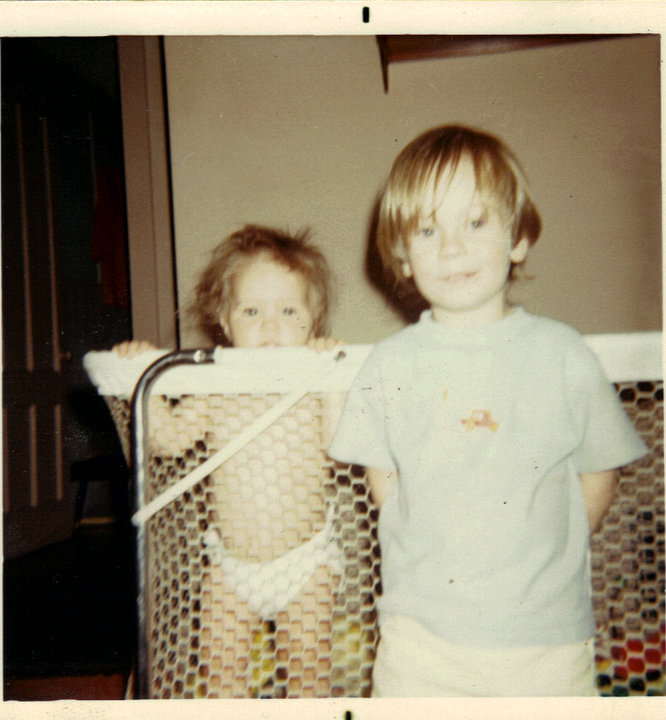
Sharing a bed with my brother until I was about seven made it difficult for me, for years, to sleep alone. Even my younger brother, who was seven years younger than me, slept in my bed sometimes. Perhaps it’s why I always “needed” a boyfriend when I was in my 20s–just to have someone there. However, after two failed marriages and widowhood, I have learned to rely on myself.

Sometimes I wonder if I am looking for the unconditional love I could only get from my brother, which has far not worked out. Tony never judged me. And two days before he died, he told me that he loved me, that I was the most important woman in his life. Surprised and embarrassed by his openness, I looked at my tie-dyed Keds and mumbled “I love you too.”

My brother’s death taught me that we are never guaranteed another day. Another chance to say I love you. Another chance for a long lovely hug. We need to appreciate people while they are alive. That was a tough lesson for an 18 year old. But I am grateful for that lesson. Tony’s death forced me to grow up even if I thought I wasn’t ready to.

Every time I talk to my three kids, I finish with an “I love you.” They reciprocate. They know their mother. And every time I leave the house, I turn to my dogs and say “I love you.” They tilt their heads as if to ask “What, Momma?” I kiss them on the muzzle. Sacrifice reading or playing Best Fiends to give them pets when they place their paw on my arm. It’s not too much to ask, is it? To cherish what we have. There might not be another chance.
Signed, Sealed, Submitted–The Long Road.

Good morning, readers and fellow writers. Happy New Year! On Sunday, December 31, at approximately 2:30 p.m.. I submitted my memoir My Brother, My Witness, Remembering Tony to a writing contest. This has been a twenty year project.

Writing about someone you love more than you love yourself is an enormous and complicated undertaking. Because my brother Tony was older than me, I worshipped the ground beneath his feet. He was far from perfect (like all of us) but it was difficult for me to view him as anything but godlike. This made it so hard for me to write about him as a three dimensional character.

Writing “in scene” helped me overcome my bias. Just the facts. ma’am. Imagine you’re in a movie. All of the advice from my astute and beyond amazing mentor, noted author Kim Barnes came into play. Plus, receiving honest feed back over the years from my loyal editor Kami Westhoff was integral. So many revisions.

I will keep you updated if I hear any news. Even if the book doesn’t win the contest, at least it’s abandoned for now. Able to be refined and submitted again. Now, it’s onto the next project. Woo-hoo.

Tomboy

My first memories include my older brother Tony and my father, also named Tony. The three of us lived in an apartment on Hazel Street on the west side of Binghamton, New York. My father and mother had split in April 1969, when I was four months old. At the time, my father was a cobbler’s apprentice at Ye Old Cobbler Shoppe, under the mentorship of his best friend Danny.

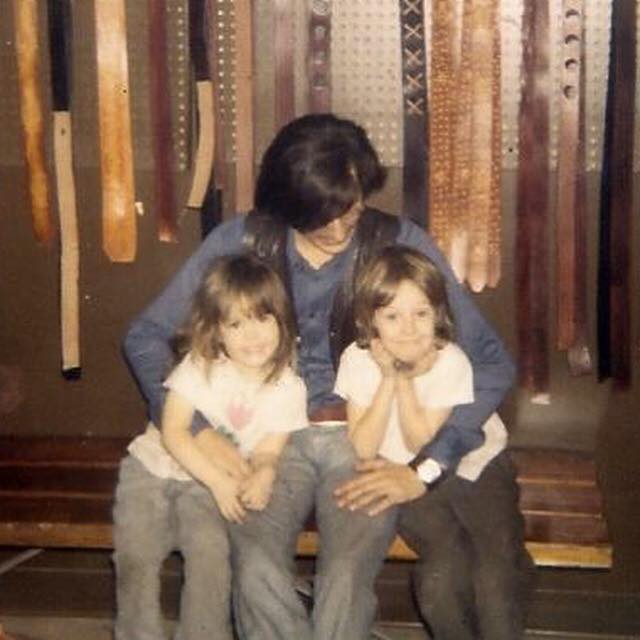
When Danny passed away in the early 70s, my father decided to open his own shoe repair and leather crafting business, The Leather Shoe Shop. By this time, I was two and Tony was four. We went to work with him every single day.

As a young girl, I followed every move my brother Tony made. I fist fought other boys alongside him, wore his hand me downs, and spit on the sidewalk. We walked around the apartment shirtless and slept in the same bed. Some of my father’s customers thought Tony and I were twin boys.

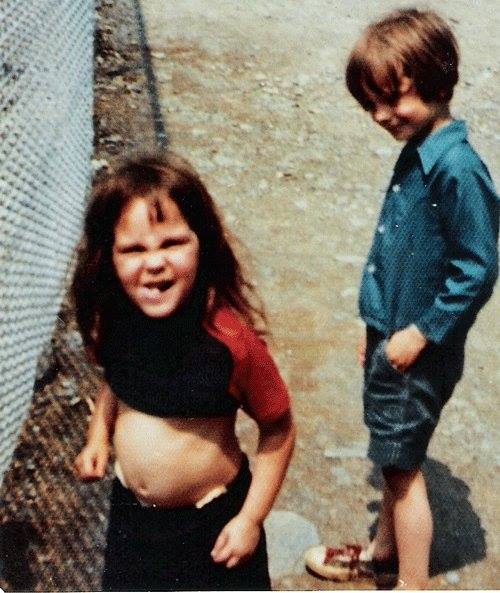
Until I was four, I never had a clue that Tony and I were different. But one day, on an incredibly hot August afternoon at the Ross Park Zoo, I came to new awareness. When I tried to take my shirt off, my father said, “Honey, you can’t do that.” I repeatedly asked “Why?” He repeatedly said, “You just can’t.” So, I pulled my shirt up and over my belly, stopping just below my chest.

10152376_10152287643163187_1519810734_n

Once Tony and I started school, I became friends with girls, but I always felt more comfortable among boys. Although not always true, it seemed that boys cared less than girls about gossip and fitting into the status quo. And, until fourth grade, when my father switched Tony and me from the public school system into Catholic schools, I had rarely worn dresses. It was a whole new experience.

Wearing girl clothes hardly wrung the tomboy out of me. I hung upside down from tree branches, much to the horror of my father’s new wife Vickie. She’d pull me off the limb and tell me to act “like a lady.” What did that mean? Now I know it meant, keeping my big mouth shut, wearing a slip beneath my skirt, and keeping myself clean. Vickie insisted Tony and I take regular baths, brush our teeth nightly, and wear pajamas to bed. I wore a nightgown and he wore long johns.

As I came of age, I observed Vickie go from being a doting stepmother to a woman who snapped into a fury over spilled milk, or forgetting to call her “Mom.” She smacked Tony and me around, and threatened us with worse if we told our father. When he was home, she smoothed our hair and laughed at our jokes. In private however, she was a monster.

Vickie’s erratic behavior may have taught me to distrust women. By the time I was in high school, I had fewer than five close girlfriends, and a slew of guy friends. I sat with football players during lunch and chewed tobacco with them at hockey games. Once, when I had one line in the school play, I stepped out onto the stage met by a roar from one corner of the auditorium: “Cindy!” It came from my flippant coterie of young men.

One of the pitfalls of being a tomboy is unsolicited jealousy and rage from girly girls. I’m an incurable flirt, and I have had many problems with the girlfriends and wives of my male friends. Secure women, with solid relationships, tend to let me be who I am. But to those who can’t handle it, I am forced into that ladylike role again–the one set forth by my stepmother.

And here I am today. Still that tomboy at heart but dressed as a girl. My hair is long and curly. I wear a little bit of makeup. And thanks to the three children I had, I have… ahem…curves. My flirtatious nature still intact, I am both loved and hated by different women. Some misconstrue my gregarious nature, and others believe it’s who I am.

clowning

Since I was a kid, my best friends have almost always been introverts. I want to be more like them–able to think before I speak, more thoughtful than talkative, able to find comfort in solitude. Conversely, I seem to draw them out of their shell. I make them laugh, encourage them to tell their stories, and find out what life means to them.

For many decades, I’ve tried to be more quiet. To listen more intently. To allow others to speak their truths. And while I have gotten better at that, the tomboy in me is still alive and well and living in Idaho. I can dress up, but I prefer a T-shirt, jeans, and Converse. I love a crowd, drinking beer, and quoting movies. Some of my best friends are guys, and yet, I do love the company of women. (Vickie’s been out of my life since 1998.)

We are all walking, talking contradictions. The thing is, you have to be comfortable with who you are. And most of the time, I am.


Can I Get a Witness?

My older brother Tony turned 21 on May 1, 1987. He came to my apartment, and my roommate and I threw him a small party. We drank Michelobs, and I told stories about Tony and me from the old days when my father owned The Leather Shoe Shop.

One memory is of Tony and me, holding hands, watching a fight between our father and his girlfriend Cathy. She slaps Dad’s eyeglasses off his face. In another, Tony and I walk along the sidewalk at the Vestal Plaza amid a frighteningly loud thunderstorm. I’m bawling. Tony has his arm around me, and repeatedly pats my shoulder, saying, “It’s okay, Cindy.” And in another, I’m on my tricycle, and he nudges me down a steep hill. I remember nothing after the crash, but for a week, I had one hell of a shiner.

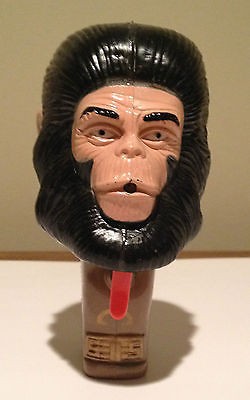
When I was four, Tony talked me into stealing a Planet of the Apes squirt gun from Grand Way department store. planet-apes-galen-water-gun-pistol_1_88852e60c2be6a48e133f52a290bfd7eOf course he didn’t say, “Steal.” He said, “Take.” We walked back to the shop where my father’s new girlfriend interrogated me and promptly dragged me back to the store to admit what I had done. The next time we visited Grand Way, Tony handed me a Magic 8 Ball, and said, “Slip this in your sleeve.” Without hesitating, I said, No.
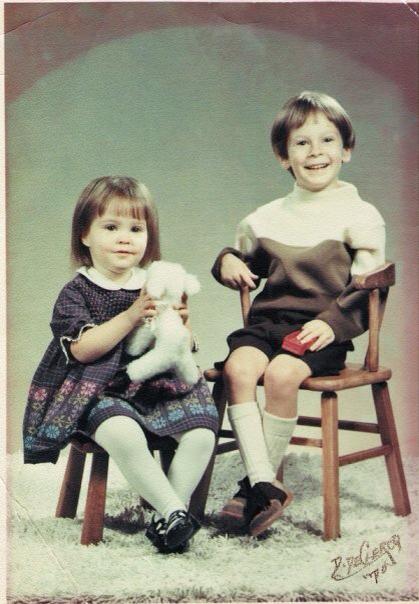
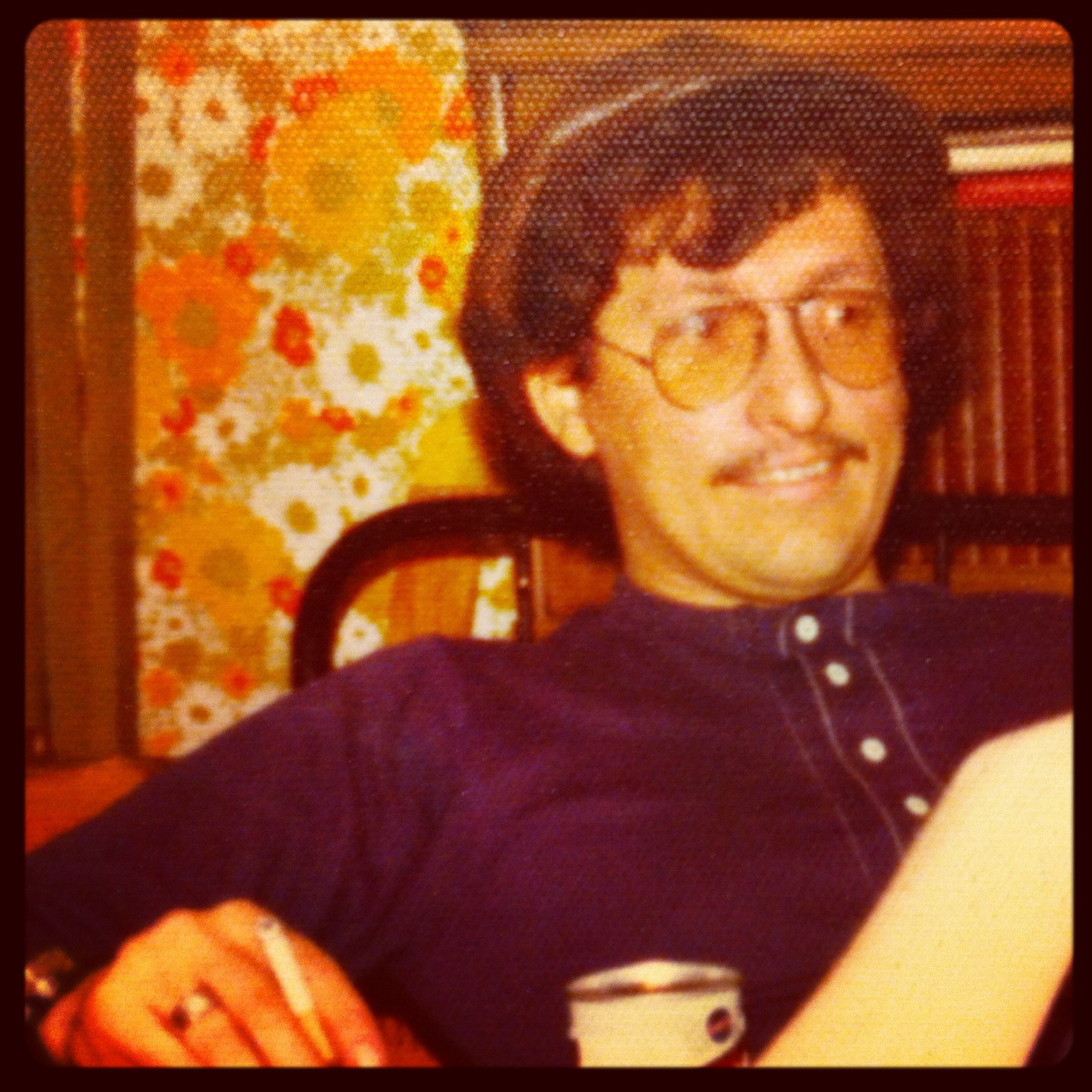
The stories made him laugh. Sometime during the party, he pulled me aside and said, “I love you. I’m looking forward to spending a lot of years hanging out together.”

As kids, Tony was timid; I was hyper. When my father brought out the video camera, Tony hid and I danced around. When I complained to Tony about our stepmother’s abuse, he said, “Just keep quiet.” He never complained. Instead, he started smoking cigarettes and pot, and drinking at 12. When our stepmother slapped him, he stared her in the face and took her abuse. I screamed when she hit me, hoping the neighbors would hear and call the cops.

Tony and I rarely fought with each other, but when we did, it was about the dumbest things. I hid the remote so he couldn’t change the channel, and he punched me until I gave it back. I called him a “Buck-Toothed Beaver.” I punched him in the arm as hard as I could, and he stood motionless, then said, “Did a fly land on me?” But, if I wanted to send him into a rage, I sang “opera” at the top of my voice. I laughed so hard his punches were painless.

By the time Tony and I were in high school, there were no more fights. We became allies fighting against a common enemy. “If you don’t tell Dad you saw me smoking, I won’t tell him you were with a boy, and not at the movies.” Deal.

In 1983, after coming home drunk too many times, running away from home too many times, and getting kicked out of high school, Tony joined the army at the urging of my father and his wife. Tony earned his GED in the military and was relegated to being a cook. After two years, he was done. He moved to California, fell in love with an awesome young woman named Erika and came back to New York.

I was delighted. Tony planned to take over my father’s shoe-repair business, and he told me I could work there too. I could quit my job at McDonald’s and have a career. Tony and I were going to be together again! For the first time in years, our family spent Christmas together.

Two nights after Tony’s 21 birthday, my uncle Joe called and told me Tony was killed on his motorcycle. He’d been riding to the Great American grocery store on Main Street in Binghamton, our hometown, and was struck by a red Dodge Demon. Tony died instantly. My father and his wife were on an emergency flight back from Florida where they had been looking for a house.

Because I was 18, I had zero coping skills to manage my grief. All I could think was How could he do this to me? He was abandoning me. I would have to live without him and deal with my stepmother alone for the rest of my life. How would I get through this? I took a cab to my paternal grandparents’ house, so I could be with my family while we waited for everyone to get the news.

That night was a blur–falling asleep on my grandparents’ couch, crying, listening to the grief-stricken wails of my relatives, watching the EMTs fail at giving Tony CPR on the TV news. My father called from an airport and asked how I was feeling. All I could say was “What are we going to do?” He said, “It’s gonna be all right.” When he and his wife returned to Binghamton, I stayed at their house, and slept in the extra bed in my 11-year-old brother Jack’s room.

There was the wake, the funeral, and the burial. It was raining like hell that afternoon, and the cemetery was all mud. Beneath the sagging tent, my entire family gathered in folding chairs. I sat beside my father and held his hand. When they lowered Tony’s coffin into the ground, I started sobbing. He was my only witness to our abusive childhood. The truth about Dad’s wife and how she treated us was buried with him.10339581_10152373663143187_8140426827575809783_n

When I interact with people who have an acrimonious relationship with their sibling or siblings, I’m often surprised and sad. Tony was my best friend, and for 18 years I worshipped him. He’s been dead for almost 32 years, and I’d give anything for five more minutes with him. They say the strongest bonds are forged in fire. Our chaotic childhood bonded us for life. His impact on me was profound and lasting, and I still think about him every day.


Tell Me Lies, Tell Me Sweet Little Lies

My father died in 2012, when I was 44 and he was 66. The week of his funeral, his former girlfriend Angie, whom I hadn’t spoken to since 1972, called me at my paternal grandmother’s house to offer her condolences. We were talking a while, catching up, when she started laughing. “Oh, Cindy,” she said, “when you were little, you said everything that was on your mind at that very moment.” I started laughing. “Nothing’s changed,” I said. “I’m just older. Every day is a challenge to keep my mouth shut.”

I appreciated Angie’s comment. It was cool to gain insight into my behavior as a kid, since I only had my family’s perspective and my memories. Also, Angie reaffirmed what I had always suspected — I was born spouting the truth with little awareness of the consequences.

My father once told me, “You couldn’t be more like me if you tried.” I liked that my big honest mouth might have come from him. He was the kind of honest that only a tolerant, easy-going person might appreciate. And, although I’m sure he had to have told some lies sometime during his life, I remember him as always being brutally honest. If you wanted flattery, my father was not the man to talk to.IMG_2494

I often wonder where this compulsion to tell the truth comes from — Some of it, I blame on the catholic church with its confession obsession. My father attended catholic school, and so did I. And as long as I can remember, I’ve never been able to keep a poker face and bluff. I’ve heard some people say things like, “I don’t have time for bullshit.” That resonates with me. It takes a lot of time and energy to be fake and a lot less time to be honest.

Part of me likes to believe my father and I never lost the childlike innocence that leads someone to tell the truth, even if it’s brutal. One time, my father lost a customer at his shoe repair shop because I stood beside him while he was ringing her out, and said, “Daddy. That lady has green teeth.” I love that he didn’t punish me.

My father always said, “Believe half of what you see and none of what you hear.” As I came of age, instead of following his advice, I saw him as intensely cynical and lacking trust. I had no idea about wisdom and learning from experience, and I projected my honesty onto others–thinking that everyone around me told the truth. Hah!

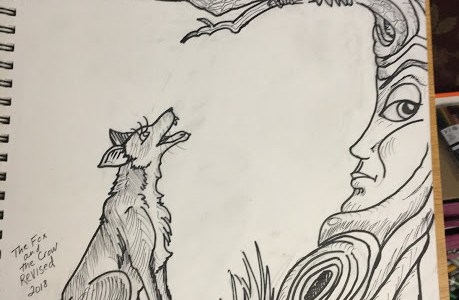
One of my favorite lines from an episode of Friends is when Phoebe says, “People will believe anything as long as it’s complimentary.” Although I’ve always seen that as a half-joke, a recent issue of Harvard Business Review includes an article, “How to Negotiate with a Liar,” by Leslie K. John. She says, “Humans are particularly inept at recognizing lies that are cloaked in flattery.” Insert here, the fable “The Fox and the Crow” where the fox, seeing a hunk of cheese in the crow’s mouth tells her what a lovely singing voice she has. The crow caws and the fox catches the cheese in its mouth. Liar!

When I was 16 and fell in love for the first time, the boy I liked said, “I’m really attracted to you and want to be with you. I’m just not a commitment kind of guy.” So, I let him have his way with me, repeatedly. Imagine my dismay when he showed up in my independent study class sitting next to one of the girls from the popular clique. I learned later that day that they were exclusive. And it’s not only teenage boys who tell that lie. I fell for the same lie from a 40 year old man. What he should have said was, “I don’t want a commitment with you.”

Back in 1987, when I dated my first pathological liar, his untruths piled up like so many of our household bills I ended up paying. “Scott” was highly skilled in lying, having been severely abused by numerous stepfathers as a boy, spending time in a boys’ home, dealing drugs, etc. The day I realized I had wasted 18 months of my life with this selfish, demented jackass, I rode the city bus to downtown Binghamton, walked into the U.S. Armed Forces Recruiting Station and enlisted in the navy.

Detecting a liar is difficult for most people, myself included. According to Leslie John, a reputable study shows that regular people tell one to two lies per day. If that’s the average, imagine the sociopaths we come into contact with and the whoppers they tell! If only the Pinocchio nose were a real thing, none of us would ever have to wonder if someone was telling us the truth. Moving forward, I will continue to be honest, and to work toward being as diplomatic as my friend Hailey, and to trust my gut. They say flattery will get you everywhere. As long as what you tell me is really what you believe, I will believe you.                                                                                      78966166c3571e822f9bd384aa578434--disney-love-disney-stuff

That’s How They Get Ya

If you’ve ever fallen for a pathological liar, you know the kind, a person who can look you right in the face and lie with absolutely no remorse. I dated one of those. Then there are the more sincere types who really seem to be telling you the truth, however, you witness them lying to everyone around you and think, “They’ll never do that me.” Perhaps, most insidious are the love-bombing, predatory narcissists looking for their next play thing. You.

These people are masters at sniffing out a vulnerable person who needs love and attention, a boost of self-esteem, or a reminder that they are a wonderful person. The predator watches your every move, looks for signs of despair, listens for complaints about your solid marriage, or the trials of child rearing. Some start out as your caring “friend” who listens so well, or engages you in conversation about your interests. Others start out by telling you how much better, hotter, richer, or more successful they are than the person you currently love.

These people listen closely to your every word, the bands you like, the hobbies you enjoy, and your long-term goals. They also listen to your “missed dreams,” because they want to be your savior. They match their wants with yours so you see them as your “real” soul mate, the love of your life, your true love, etc. etc., ad nauseum. They send love letters, bring gifts, send selfies, create amazing experiences for the two of you to share and remember. The abuser creates the narrative of you, the story of how you became a couple. For example, they might tell everyone they left their decades old marriage for true love, which is you, and that justifies their cheating with you.

When you’re one part of an amazing, romantic fairie tale and madly in love with the narcissist, you will dismiss flashes of a bad temper, cheating, humiliations in public, and more, because they’ve built your story based on a linear narrative. So one abstract incident just doesn’t fit. You may forget it all together. (This happens in physically abusive relationships too.) These tactics are why it takes so l-o-n-g to extract yourself from an abusive, predatory narcissist. We become lulled into feeling safe, they are our savior, remember? so we ignore the red flags.

My next post will involve once we start gaining clarity. Stay tuned.

It’s Ok to Feel Like Shit

The reality behind the highlight reel on Facebook. We are human!

Unknown's avatartonysbologna : Honest. Satirical. Observations

Long before smiling faces, shiny new toys, witty emoji play and seemingly perfect lives became commonplace on your Facebook timeline, aka your convenient portal to the outside world– the Earth turned to a different beat that was softly playing in the stars.

You see, when the earth was young, three wise men met in a manger and shared a secret that has been buried behind a millennia’s worth of secrecy, smoke screens and illusions. This secret was about happiness and how to find it.

This secret is said to be so controversial that the thought of sharing it in public forces the secret holder burden the weight of the disbelieving masses – a heavy lift indeed.

With modern society’s bumper-sticker-mentality and my-life-is fucking-amazing-so-like-my-picture  social media craze, we all have forgotten a simple truth.

So I need to ask you something.  Are your nipples hard now? Do you want…

View original post 636 more words

I’m (Not) a Feminist… But

When I hear a young woman, or even a woman from Generation X say, “I’m not a feminist, but…” I cringe. Thanks to Rush Limbaugh and his disparaging term “femi-nazi,” I think many women feel shame when they think they might be a feminist. OR, shame could arise if you buy into stereotypical ideas of what a feminist is–a man-hating lesbian who refuses to eat meat and never shaves her legs. God forbid!

I am a feminist. I’m not gay (not that there’s anything wrong with it). I’ve been married three times (widowed once). I do shave (when I remember). And I am proud to call myself a feminist despite the sometimes negative and erroneous baggage that comes with the term. From my point of view, a feminist is a person who believes in fluid gender boundaries. That means equal pay for equal work, sharing household duties, and supporting each other no matter what through life’s ups and downs.

I was raised by my father, a second-generation Italian immigrant. My mother was not part of my life until I was in my 20s. She was born in Europe, went to college instead of raising her two babies, and lives a hoity-toity life in Rhode Island. My stepmother had a tenth- grade education, was hostile and short tempered, and favored my brothers over me. From a young age, I lived and despised injustice.

When I was three, my father took my older brother and me to Ross Park Zoo in Binghamton, New York. It was sweltering that day, and I had ratty brown hair that hung past my shoulders making the heat worse. At home, my father let me run around in my underwear and no shirt. And since I wore my brother’s hand me downs, I’m not sure if I knew I was a “girl.”

As the summer heat and humidity became more unbearable that day, I asked my father if I could take my shirt off. He said, “No.” I’d emerged from the womb asking “Why?” so I asked him, “Why?” He said, “You just can’t.” I stomped my foot. “But, Daddy. Why?” He stopped answering. I remember thinking, “I’ll fix him.” I pulled my shirt up and over my melon belly. He snapped this photo.

10152376_10152287643163187_1519810734_n

When I look at this, I see a feminist in the making. It’s more than the shirt pulled up. It’s more than the wad of gum in my open mouth. Truly, it’s my expression. Sure, the sun was in my eyes, and yet, if you really look, you can see that I’m, as one friend describes me, “indignant.” You can see I’m “feeling or showing anger or annoyance at what is perceived as unfair treatment.” That’s me in a nutshell.

Feminism can bring out anger and annoyance. Any woman who’s been cut off in conversation during a business meeting, telling a joke, or simply chatting knows what I mean. I dislike injustice. And if you’re telling me I’m not equal to you simply because I have a uterus, then I’m going to remain indignant and fight for my right to party.


Yankee Swap Not for Everyone

Fifteen years ago at a family Christmas party, I played my first game of Yankee Swap, AKA, Dirty Santa, the White Elephant gift exchange, etc. You know, the game where you bring a gift already wrapped, pick a number, open a present and get your present stolen. This game has become a staple at holiday parties, and I’ll be darned if I can figure out how it embodies any type of holiday, generosity or giving spirit.

You may say, “Oh, it’s all in good fun,” or “Have a sense of humor,” but every time I’ve been to one of these parties, I’ve witnessed hurt feelings, under the breath comments, or out-right yelling. Now, that might be a regular ordeal at some holiday dinners with family, but family is crazy. We all know you can’t choose your relatives. But you can choose whether or not you wish to be involved in a game at Christmas time where you steal presents.

At my first Yankee Swap, I received an adorable Mikasa candy dish etched with snowmen. I was delighted, and I had no idea how the game worked. No poker face. My boyfriend’s mother “Lola” planned to steal my gift. When she reached for it, I held it tight and said, “Please don’t take this. I have so few nice things.” Lola laughed and made a remark about how she knew where my daughters got their whining from. Lola let me keep the Mikasa candy dish. I still have it, and I use it every Thanksgiving and Christmas to hold olives. I always think of Lola and her remark when I place the dish on my dinner table.

I married into a family where my sister-in-law, “Margie,” loved Yankee Swap, organized every Christmas gift exchange, with a $50 limit and a strict rule: no gag gifts. My last Yankee Swap with the family was a doozie. Of course, Margie ended up with number 1, which meant she got to inspect all the gifts at the end of the game and steal whichever one she wanted. I had received a beautiful wrought iron wall hanging. Margie stole it, which coincidentally meant I ended up with the gift I had brought. When I said that out loud, she leapt up in front of the crowded room and yelled, “I’m so tired of this bullshit!” She ran over to her husband and insisted he take her home. He refused. At the end of the long silent night, I left without the wall hanging. After the new year, when my husband’s grandmother called me to come get the wall hanging, I donated it to a silent auction for charity. That was last time I participated in Margie’s Magical Christmas gift exchange.

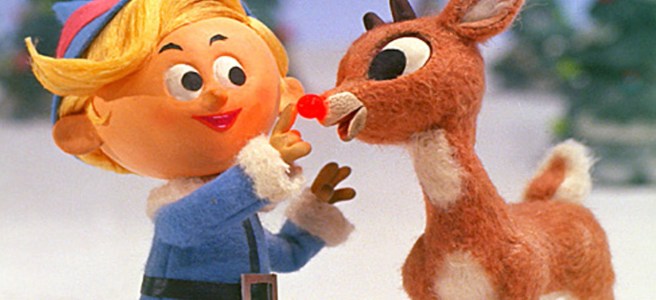
At my last Yankee Swap, there was a $20 max for the gifts. I brought a Rudolph the Red-Nosed Reindeer set of figurines: Hermie, the Bumble, even Cornelius, from the perennial show. The person who received it kept waving it in the air, saying, “Someone steal this, please.” I should have. One person brought in a bag full of used books that stunk like mildew. Every gift I received–wine, gift certificates, pewter trivet–was stolen. I tried desperately not to get attached. Incidentally, my best friend stole the trivet. All is fair during the war on Christmas I guess. Another friend asked me if I was the person who brought the hookah. Wow, I thought, what am I putting out there? I left the party with a note pad and water bottle.

When I looked up who invented Yankee Swap, I couldn’t find a particular person. But the rules emphasized that the game was light-hearted, just for fun, and whimsical. Isn’t stealing a bit greedy and mean-spirited? I see nothing wrong with the boring old Secret Santa, or making someone a gift just for them, or sending them a card that says I love you. But then again, I spend most of my money on books, vintage clothing and dog treats.